


 Croatia
 Slovenia
 Bosnia and Herzegovina
 Albania
 Montenegro
 Romania
 Bulgaria
 Serbia
 North Macedonia
 Kosovo
Stroll through central Sofia’s easy, mostly pedestrian streets and taste Bulgaria’s food classics with a local twist. Banitsa and Shopska salad are just a fraction of the famous dishes from Bulgarian cuisine you’ll try.
Tour Details
- Meeting Point: Alexander Nevski Cathedral
- Tour Duration: 2-3 hours in the afternoon
- Tour Language: English
- Best Period: Year-round (suitable for all seasons)
- Price: Starting from €170
- Transportation: Walking tour (+ optional tram)
- Tour Type: Gastronomical and local insights tour
Highlights
- Visit carefully selected artisanal food shops and bistros, offering delicious snacks and meals with interesting backstories.
- Discover local shops where you can buy additional Bulgarian products.
- Meet a licensed guide with extensive knowledge of Bulgarian food and history.
- Explore some of Sofia’s most interesting landmarks on the way.
- Ability to see the Rakia museum and taste the most famous Bulgarian alcoholic beverage.

Food Tour Prices and Options
| Number of people | Total price |
|---|---|
| 1 person | €170 |
| 2 people | €200 |
| 3 people | €230 |
| 4 people | €260 |
| 5 people | €290 |
| 6 people | €320 |
| 7 people | €350 |
| 8 people | €380 |
| 9+ people | Send a request |
Includes
- A piece of banitsa (savory pastry with white cheese) plus 100ml of ayran (savory yoghurt drink) or boza (sweet drink made from fermented wheat).
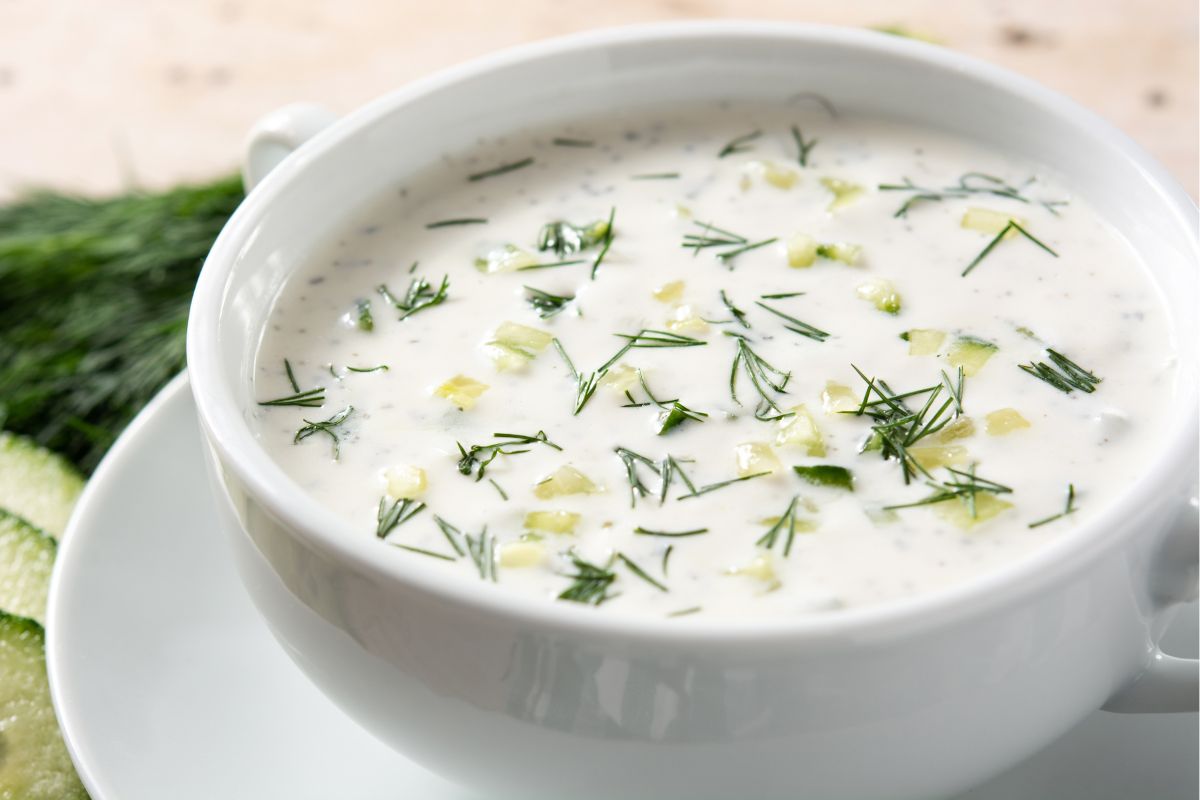
- Tarator (a cold soup made of yoghurt, cucumbers, and garlic).
- Bulgarian barbecue accompanied by the famous Shopska salad as a side dish.
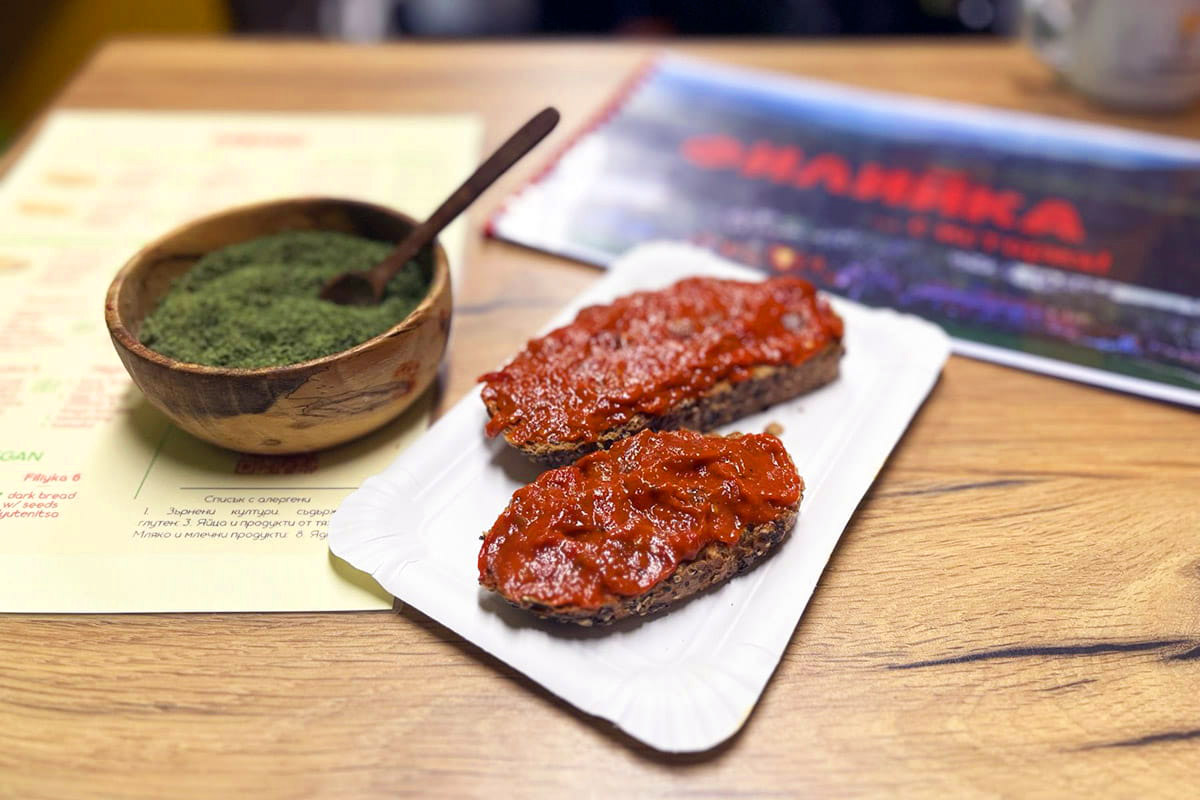
- A warm slice of bread with homemade lyutenitsa (spread from roasted tomatoes and peppers).
- Mekitsa (a sweet pastry) with Bulgarian honey, jams, or cheese.
- A visit to a local market or store.
- A printed copy of our book “Balkan food & drinks to try when traveling”.
- A PDF file with our top recommendations for bars and restaurants in Sofia.
Excludes
- Additional food consumption.
- Tips and gratuities for the food venues and the guide.
Add on: visit the Rakia museum
| Price per person | €20 |
|---|
Optional tour information
The Rakia museum tour includes 3 rakia tastings paired with Bulgarian appetizers.
The visit to the Rakia museum should be booked in advance to ensure we have tickets. It won’t be possible to do it directly after the food tour if you decide on the spot.
Let’s Eat Delicious Food Together
Join us for an afternoon of food tasting, where a knowledgeable local guide will immerse you in stories
about Bulgarian cuisine, the history of Sofia, and a glimpse of the locals’ lives.
Tour Itinerary
Meeting point: Alexander Nevski
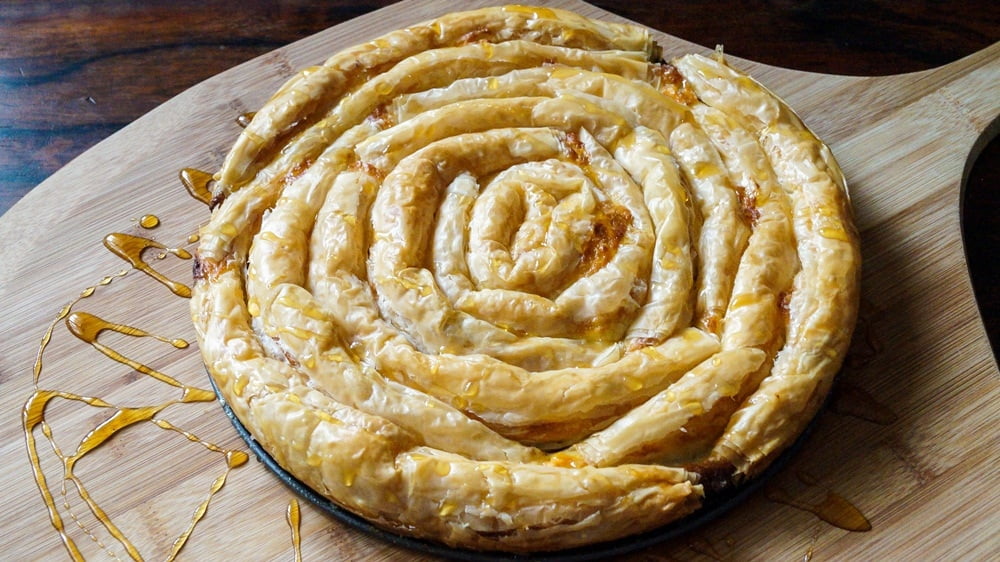
Your guide will meet you at the Alexander Nevski Cathedral and greet you with banitsa. This is a savory pastry made of thin filo sheets filled with a variety of products. The most traditional combination is Bulgarian white cheese, eggs, and yoghurt. But spinach and meat versions are also common. You can learn more about banitsa variations from the book “Balkan food & drinks to try when traveling,” which you will receive at the end of the tour.
Banitsa is often paired with the drinks ayran or boza. Ayran is a salted yoghurt beverage, and boza is a sweet fermented drink with an unusual taste. We’re not going to lie, you might not like it, but you have to try it, it’s probably like nothing you’ve tasted before.
First stop: a soup place
We’ll continue light with tarator: a chilled yogurt–cucumber soup that’s perfect in the heat (and comforting even in winter). Other ingredients that are usually included, but may vary, are garlic, dill, and walnuts for garnish on top.
Second stop: a takeout restaurant
We’ll take some rest here and enjoy the traditional Bulgarian barbecue. You’ll try kebapche and kyufte made from grilled minced pork meat.
They are paired perfectly with Shopska salad as a side dish. This salad is considered a staple dish for Bulgarian cuisine. It’s made of fresh cucumbers, tomatoes, onions, and white cheese. The three colors white, green, and red represent the colors of the Bulgarian flag.
Third stop: a sandwich shop
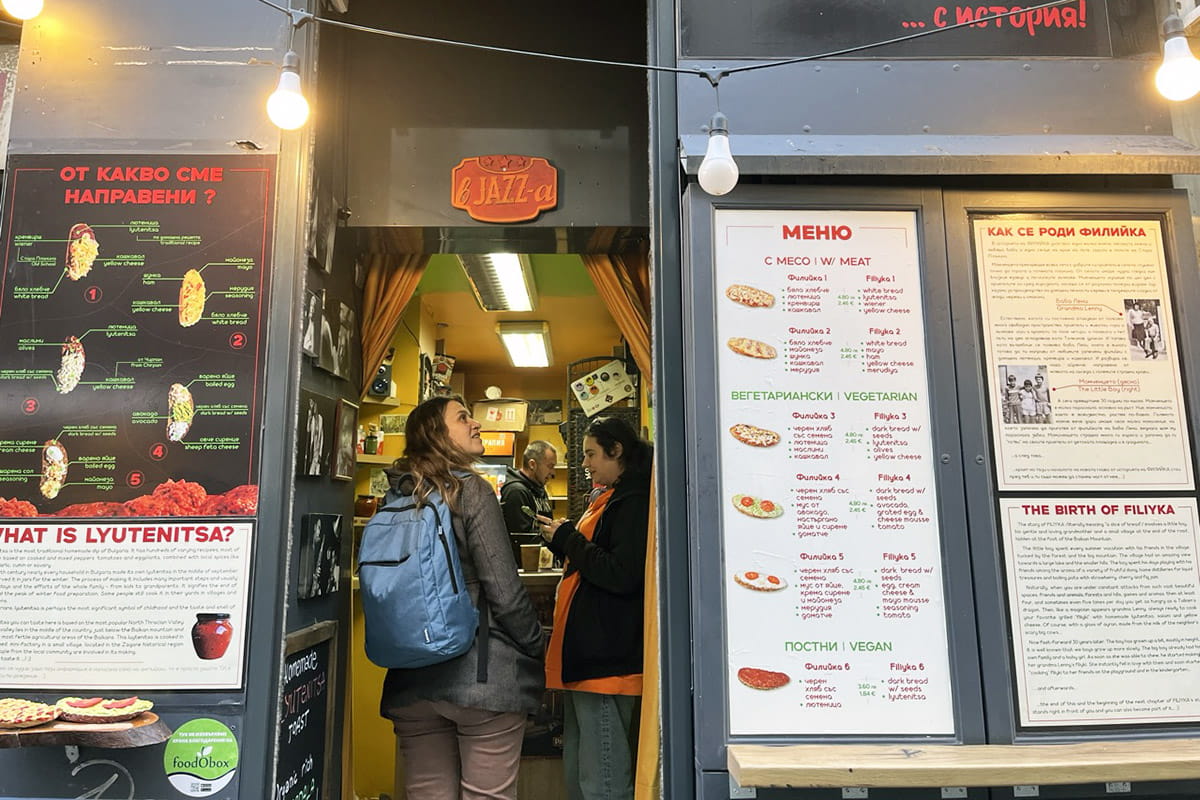
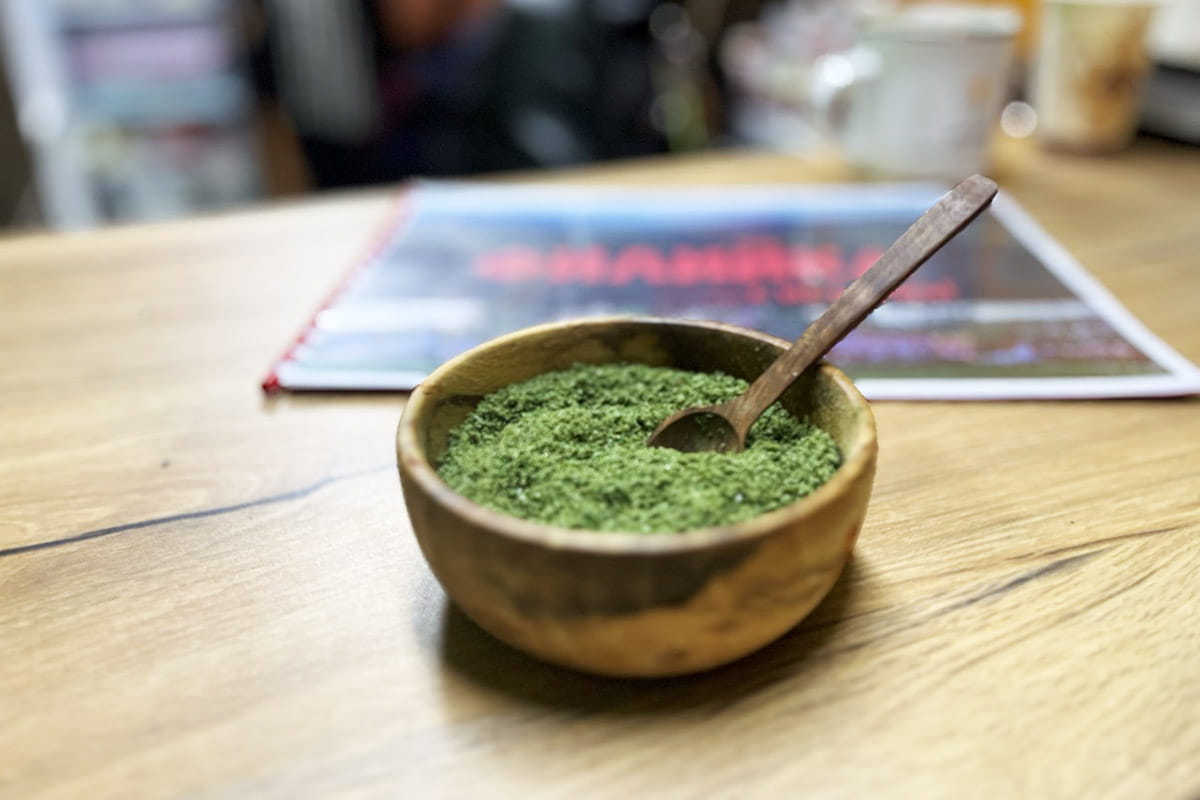
We’ll weave through Sofia’s tiny backstreets to meet the “filiika” guy and hear a heart-warming story of a boy, his grandmother, and a favorite snack. You’ll try homemade lyutenitsa (a roasted pepper and tomato spread) on warm bread, topped with herbs or Bulgarian white brined cheese (sirene). Pair it with a local beer or ayran if you like.
Fourth stop: a brunch restaurant
For dessert, we’ll visit a cute place with a homey small second floor where you can taste mekitsi. They are soft and slightly chewy fried dough shaped by hand, often topped with powdered sugar, delicious local honey, or jams. They can be savory as well with toppings such as cheese, ham, sour cream, etc.
Optional stop: Rakia museum
You’ll learn about the history and making of rakia – the most iconic Bulgarian alcoholic beverage. It’s a fruit brandy made from various fruits, most often grapes, but also plums, apricots, pears, or quinces.
In the museum, you’ll be able to taste 3 types of rakia paired with Bulgarian appetizers. Make sure to sip rakia because its alcohol content is usually between 40% and 50%.
History of Food Culture in Bulgaria
Bulgarian cuisine has deep roots stretching back thousands of years, shaped by Thracian traditions, Slavic agriculture, and centuries of Ottoman influence. Its foundation is built on simple, seasonal ingredients such as fresh vegetables, dairy, herbs, and grilled meats.
The Thracians, the earliest inhabitants of the region, laid much of the groundwork for Bulgarian food culture. They relied heavily on agriculture, viticulture, and livestock, producing cheeses, honey, wine, and preserved meats. Many of their techniques, such as fermenting, slow-cooking in clay vessels, and using herbs like summer savory and mint, remain essential in Bulgarian kitchens today.
When the Slavs settled in the Balkans, they brought with them a deep-rooted tradition of bread-making, dairy production, and vegetable cultivation. Their influence is evident in staples like yogurt, pickled vegetables, bean stews, and various dough-based dishes still enjoyed throughout the country. The Slavs strengthened the connection between food and community life, turning meals into moments of gathering, celebration, and hospitality, values that remain central to Bulgarian culture.
Centuries of Ottoman rule introduced new spices, cooking methods, and ingredients that enriched Bulgarian cuisine even further. Dishes such as moussaka, kebapche, stuffed vegetables, and syrupy pastries reflect these influences, blending seamlessly with older traditions.
Today, Bulgarian food stands as a living record of the region’s history: a flavorful tapestry woven from ancient practices and diverse cultural encounters.
Want More of Sofia? Try Our Other Tours Too:
If you are more curious about traditional Bulgarian beverages, we’ve got you covered with:
Learn more about the history and famous city landmarks with: